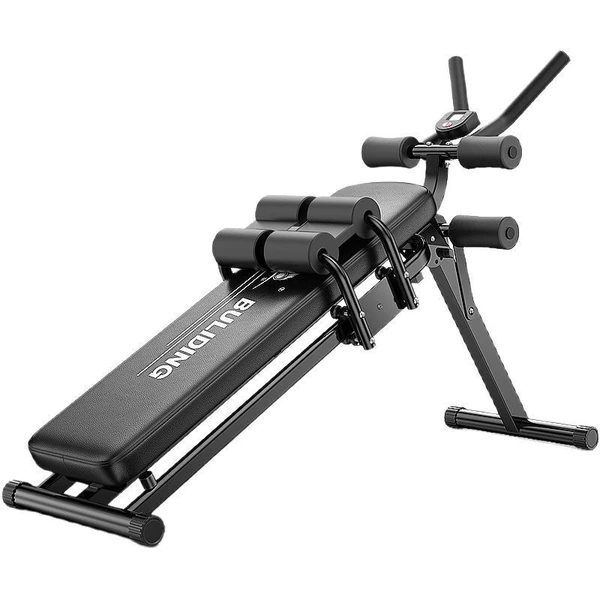
Ab Machines for Sale

Ab machines deliver safe, loaded core training that floor crunches cannot match. Our abdominal crunch machine and vertical knee raise station give users weighted flexion and hanging-leg-raise patterns for complete core development.

Ab Machines Buying Guide

The core needs both flexion (crunching) and anti-extension (hanging raises) to develop fully. Machines make both movements loadable and joint-friendly.

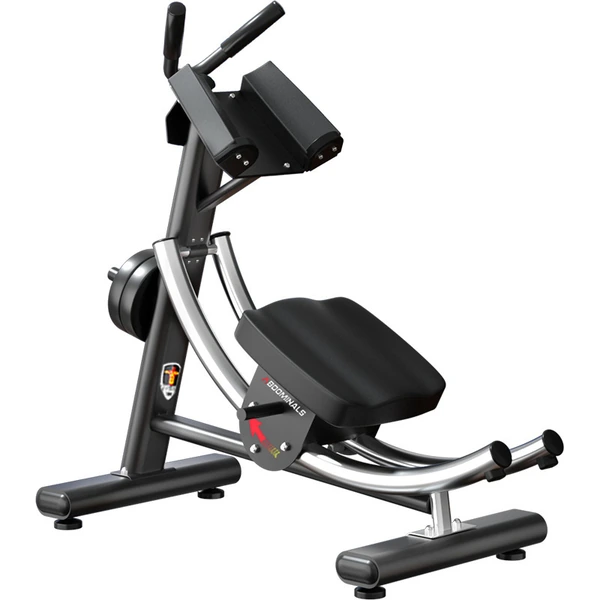
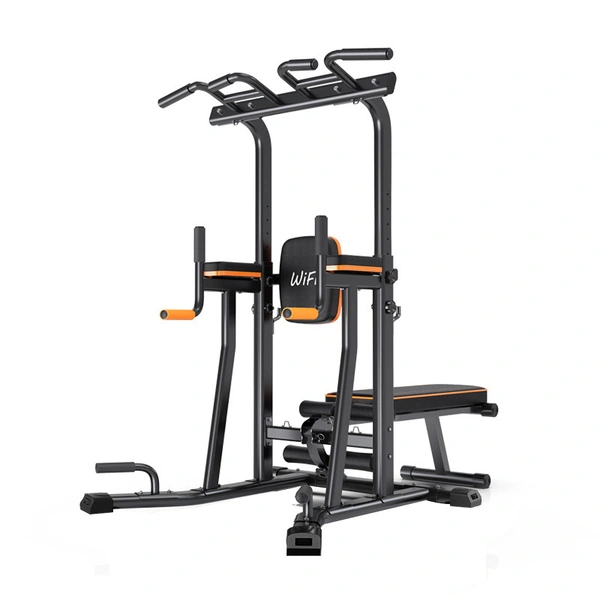
Types: Ab crunch machine (seated weighted flexion, adjustable resistance), vertical knee raise station (bodyweight hanging raises for the lower abs and hip flexors), and ab coasters or rotating machines for added variety.

What to look for: smooth cam action that matches your strength curve, adjustable pads and seat, a stack that starts light enough for beginners, and stable mounting for hanging stations.

Who it suits: commercial gyms that want a dedicated core zone, home users who want weighted ab work without floor discomfort, and any facility adding variety to core training.
Our Machines

Frequently Asked Questions

What muscles does an ab machine work?
An ab crunch machine works the rectus abdominis (the six-pack muscle) through weighted spinal flexion. A vertical knee raise station targets the lower abs and hip flexors with hanging raises.
Are ab machines better than floor crunches?
Machines allow progressive overload, which floor crunches cannot provide once bodyweight becomes easy. They also support the neck and spine better than unsupported crunches.
How often should I train abs with a machine?
Two to three sessions per week is enough. The abs recover quickly, but they are muscles like any other — train them with a few weighted sets and let them rest between sessions.
What is a vertical knee raise station good for?
A vertical knee raise station develops the lower abdominals and grip strength through hanging leg raises, and it is a low-cost addition to any gym.

Need Help Choosing?

Talk to our equipment specialists for a personalized quote.

Get a Quote