Ellipticals for Sale

Elliptical machines deliver low-impact cardio that is easier on the knees than running, making them a fixture of gyms and home workouts. Our commercial and compact home ellipticals pair smooth stride motion with adjustable resistance.

Ellipticals Buying Guide

Ellipticals combine arm and leg motion for full-body cardio with near-zero joint impact.

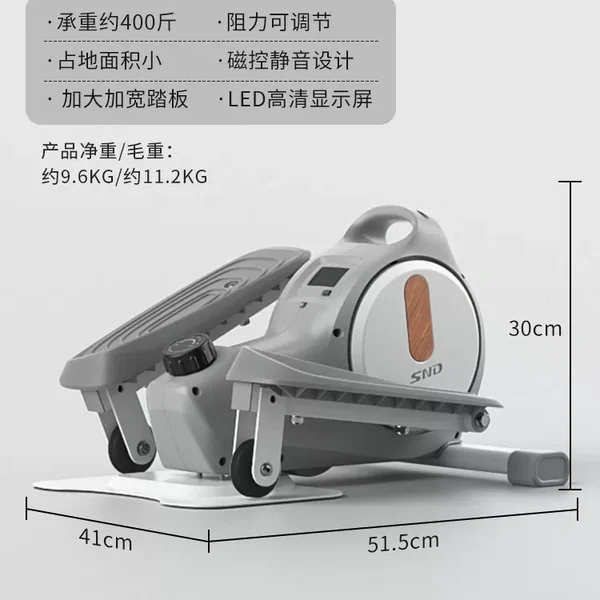
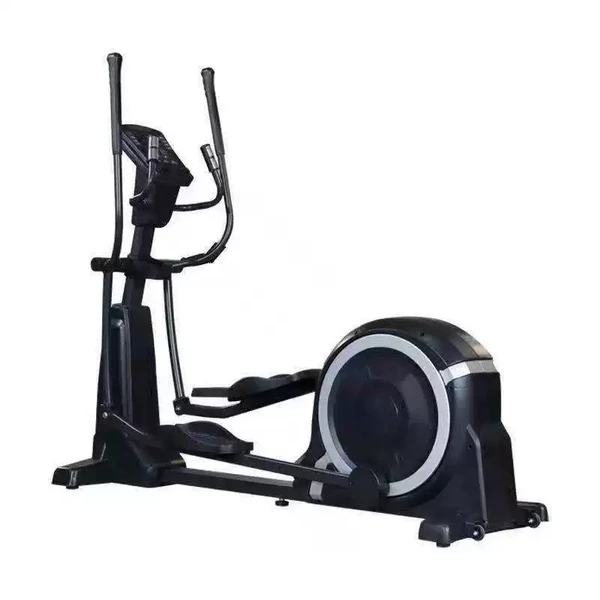
Types: Commercial ellipticals (heavier flywheels, more stride adjustability, built for continuous use) and home ellipticals (compact footprint, quieter, often foldable or lightweight).

What to look for: stride length versus user height, flywheel weight and resistance system, max user weight, footprint, and program/console features for home users.

Who it suits: gyms and hotels adding low-impact cardio, home users with joint concerns, and anyone cross-training between running and cycling.

Our Machines

Frequently Asked Questions

How much space does an elliptical machine need?
Most ellipticals need about a 6-7 ft long by 2-3 ft wide footprint, plus clearance for the arm swing. Our compact home MF-EL50 fits tighter spaces and has a shorter stride for smaller users.
Elliptical vs treadmill: which is better for weight loss?
Both burn similar calories at the same effort level. The elliptical is gentler on the knees and ankles, while the treadmill loads bone and builds running-specific fitness. Pick the one you can use consistently.
Is an elliptical good for knee pain?
Yes — the elliptical is one of the lowest-impact cardio options available, and it is commonly recommended for knee and joint issues because your feet stay on the pedals.
What stride length do I need on an elliptical?
Stride length should roughly match your height: 16-18 inches for most users, 20 inches or more for tall users. Our commercial MF-EL100 offers a 20-inch stride.

Need Help Choosing?

Talk to our equipment specialists for a personalized quote.

Get a Quote